Nomad Signature Trails
Request Itinerary
Destination 02 · Kenyan Coast

Watamu

Marine Life, Mangroves & White Sandy Beaches. A paradise for ocean lovers — turquoise waters, coral gardens, and mangrove forests teeming with life.

Where the Reef Meets the Mangroves

Watamu is a quiet coastal town that feels a world away from the bustle of Mombasa. Sheltered by a coral reef, its turquoise lagoons and white-sand beaches are made for slow mornings and ocean adventures. Behind the shoreline, mangrove forests and ancient Swahili ruins wait to be explored — and the marine park offshore is one of Africa's oldest protected areas [citation:13]. This is the Kenya coast at its most natural and unhurried.

Discover Watamu's Highlights

From coral gardens and mangrove creeks to ancient ruins and quiet beaches — each of these experiences reveals a different layer of Watamu's coastal magic.

Watamu Marine National Park 01
One of Africa's Oldest Marine Protected Areas

Watamu Marine National Park

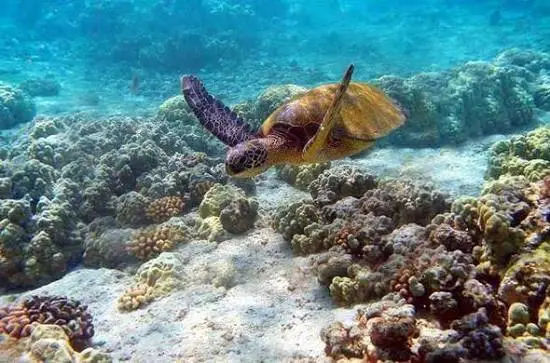
Gazetted in 1968, Watamu Marine National Park is one of Africa's earliest formally protected marine ecosystems [citation:13]. The park protects a vibrant stretch of coral reef just offshore, where snorkellers and divers encounter colourful reef fish, sea turtles, and the occasional dolphin. The coral gardens sit about 300 metres from the beach, making them accessible even for competent swimmers without a diving qualification [citation:1].

For non-swimmers, glass-bottom boat trips and dhow cruises offer a window into the reef. The park is also part of Kenya's celebrated "Marine Big Five" territory — sea turtles, whale sharks, dolphins, whales, and billfish [citation:13]. Note that KWS charges a separate conservation fee, and using a mask or snorkel inside the park requires a valid ticket [citation:1].
Snorkelling & Diving Glass-Bottom Boats Turtles & Coral Gardens
Mida Creek mangroves, Watamu 02
Mangrove Forests & Creek Adventures

Mida Creek

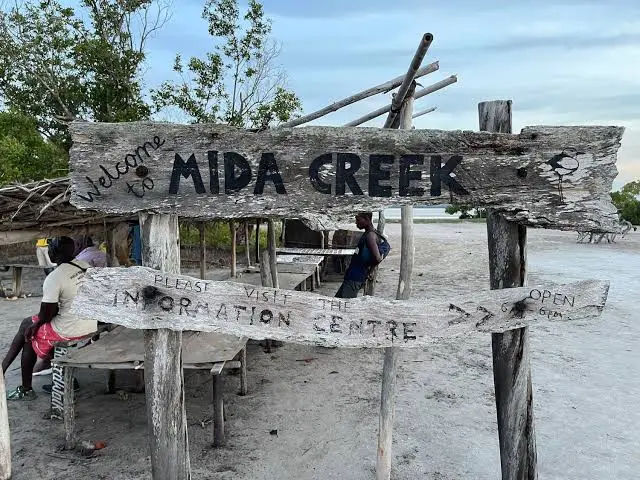
Mida Creek is a tidal inlet fringed by dense mangrove forests, best explored on foot and by traditional dugout canoe. A boardwalk winds through the mangroves and mudflats, leading to calm waterways where local fishermen once paddled. The creek is a haven for birdlife, with over 65 species recorded, and lucky visitors may spot sea turtles, starfish, and the curious mudskipper [citation:8].

Guided canoe tours typically take about two hours, with the experience varying by tide — low tide means a longer walk across the mudflats, while high tide offers a shorter, gentler route [citation:2][citation:14]. It's a peaceful counterpoint to the beach, and a chance to see a different side of Watamu's ecosystem.

Mangrove Boardwalk Canoe Tours Birdwatching
Gede Ruins, Watamu 03
A Lost Swahili Town in the Forest

Gede Ruins

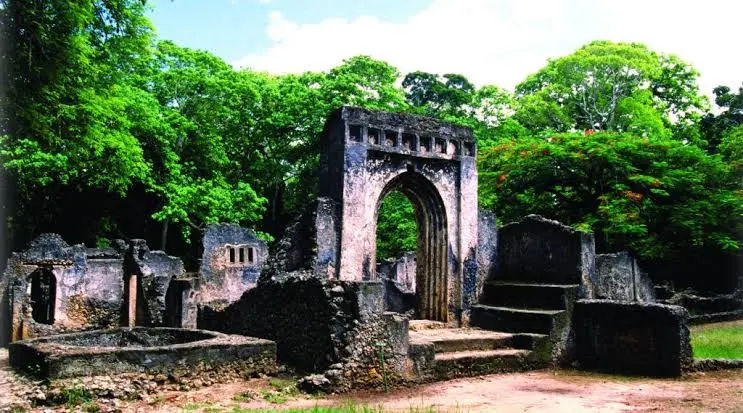
Hidden in a patch of coastal forest about 7 kilometres from Watamu, Gede is the remains of a Swahili town that flourished between the 13th and 17th centuries [citation:9]. At its height, it was a cosmopolitan settlement with evidence of trade reaching as far as China and Venice. Then, for reasons that remain a mystery, it was abandoned — no historical records explain why, and the town was swallowed by jungle until its rediscovery in the 20th century [citation:9].

Today, visitors can wander among coral-stone mosques, tombs, and a palace, all shaded by towering trees. Monkeys are a common sight, and the atmosphere is quietly atmospheric. The ruins are open daily from 7:00 AM to 6:00 PM, and a guide is well worth hiring for the historical context [citation:9].

13th-Century Ruins Forest Setting Open Daily · 7AM–6PM
Garoda Beach, Watamu 04
Watamu's Quiet, Kite-Friendly Beach

Garoda Beach

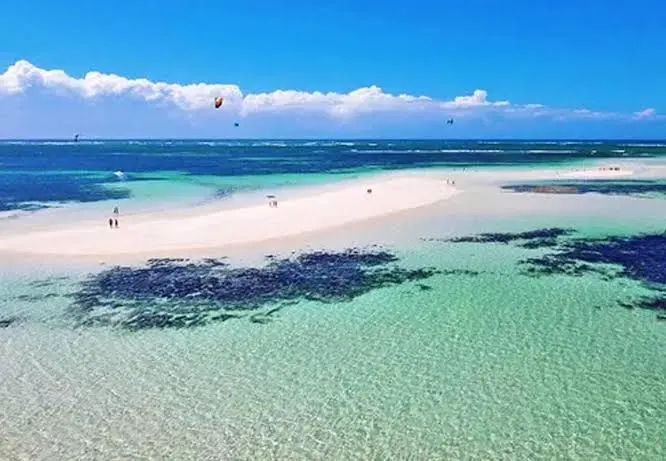
Garoda Beach is one of Watamu's most beloved stretches of sand — a quieter, more laid-back alternative to the main resort beaches. It's particularly known for staying relatively seaweed-free year-round, making it a reliable choice even during the kusi season when other beaches collect sargassum [citation:10]. At low tide, sandbanks emerge, creating shallow pools perfect for wading and exploring.

The flat, shallow water over the sandbanks makes Garoda a favourite for kitesurfing and learning the sport, with reliable wind during both monsoon seasons [citation:10]. For everyone else, it's simply a beautiful, uncrowded beach with good snorkelling and a relaxed atmosphere. Tuk-tuks and boda-bodas are the usual way to get there, so agree on the fare before you set off [citation:10].

Quiet Sands Kitesurfing Low-Tide Sandbanks

Experience Watamu

A visual journey through Watamu's reefs, creeks, and quiet coastal beauty.

Good to Know

Practical details to help you make the most of your time in Watamu.

Best Time to Visit

November–March offers the calmest seas and clearest water for snorkelling and diving [citation:1]. June–October is cooler with rougher seas, but it's humpback whale season. April–May brings long rains.

Park Fees & Payments

Watamu Marine National Park charges a KWS conservation fee (USD 25 for non-resident adults) [citation:1]. Snorkelling and glass-bottom boat trips require a separate ticket. Cards and M-Pesa are widely accepted.

What to Pack

Reef-safe sunscreen, snorkelling gear if you have it, light clothing, insect repellent for mangrove visits, and sturdy shoes for exploring Gede Ruins. A hat and water bottle are essential.

Getting There

Watamu is about 120km north of Mombasa and 28km south of Malindi [citation:13]. The nearest airport is Malindi. By road, turn off the main Mombasa–Malindi highway at Gede and continue 11km to the coast.

Begin Your Watamu Journey

Share your travel dates and interests — we'll design a personalised Watamu itinerary that brings the reef and the mangroves to life, just for you.

Your information is secure. We respond within 2 hours.